9+ curated guides • Updated September 2025
Most men's style guides treat the bandana as just another trend to master. They're wrong. The square of printed cotton in your pocket isn't an accessory; it's a piece of gear, with a history rooted in the grit of cowboys, mechanics, and laborers—not the glamor of runways. We're not here to talk about matching it with your outfit; we're here to talk about why its usefulness is what makes it truly stylish. This isn't about adornment; it's about preparedness. We're reframing the bandana not as a decorative flourish, but as the indispensable, functional tool it has always been.
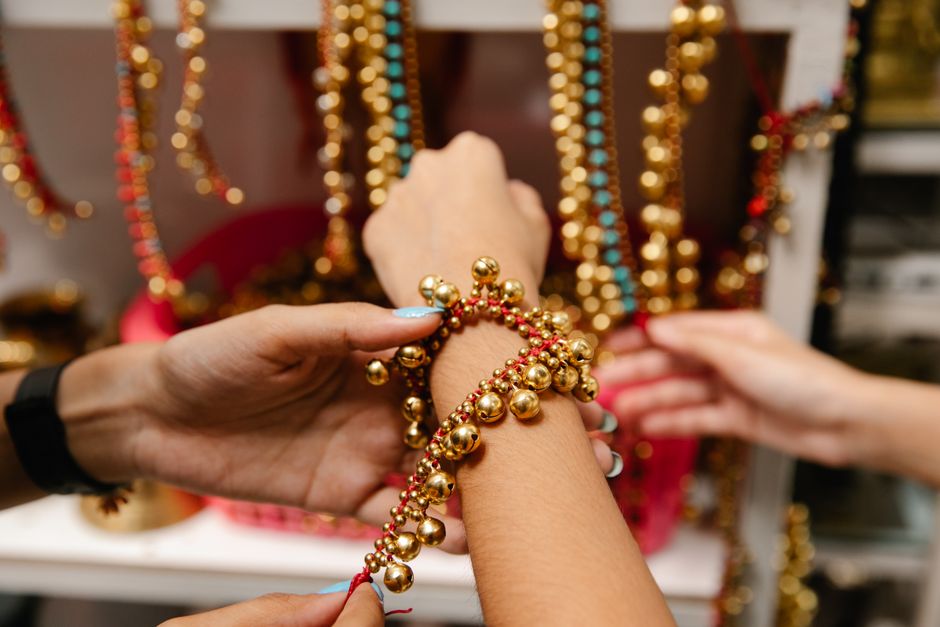
It sits in the back of your jewelry box: a necklace with an initial that's no longer yours, a bracelet engraved with a date you'd rather forget. This piece, once a symbol of connection, now feels like a beautiful, silent weight. Before you decide to bury it forever, what if you could reclaim its story and transform its meaning entirely? As a former jeweler, I've seen firsthand how these small, precious objects can anchor us to the past in ways we don't always recognize. They are not just metal and stone; they are condensed stories, holding joy, love, and sometimes, profound pain. The challenge isn't the object itself, but the narrative it enforces every time you glance at it. This guide is for anyone who feels that friction. It’s a practical and compassionate map to navigate your options, helping you decide whether to gently rewrite a chapter, start a new book, or simply close the cover with grace.
You know the tattoos on Rihanna, Justin Bieber, and Post Malone, but do you know the names Bang Bang or Dr. Woo? This isn't just about the ink; it's about the artists who have become the secret shepherds of a celebrity's public identity, building their own empires one needle-point at a time. For too long, we've viewed celebrity tattoos as mere accessories or impulsive decisions. This is a fundamental misreading of the cultural landscape. In the modern ecosystem of fame, these artists are no longer just service providers; they are strategic partners, silent collaborators in the construction of a public-facing brand. They wield a needle not just to deposit ink, but to inject narrative, to signal belonging, and to permanently etch a new chapter onto the living story of a star. The ink isn't the point—it's the signature of the kingmaker who applied it.
The cruise industry is obsessed with 'new.' New ships launch every year, each one bigger, bolder, and packed with more high-tech gimmicks than the last. But what if the secret to the perfect cruise isn't on a billion-dollar mega-ship, but on a 20-year-old vessel given a radical new life? We sailed the 'revolutionized' Celebrity Summit to find out if the best new thing in cruising is actually something classic. Having spent decades at sea, I've watched ships swell into floating theme parks, sacrificing grace for gimmickry. The Celebrity Summit stands as a sophisticated rebuke to that trend. It’s not about what has been added, but what has been preserved and perfected: the timeless elegance of ocean travel, enhanced with modern luxury. This isn't a compromise; it's a deliberate choice for a better way to see the world.
You see the DoorDash commission on every order and wince, thinking of it as just the cost of delivery. But what if the most valuable thing DoorDash provides isn't a driver, but the data they leave behind? Buried in your merchant portal is a goldmine of customer insights that can revolutionize your menu, pricing, and marketing—and you're already paying for it. In my old life, I was a data scientist, paid to find signals in the noise for tech giants. Now, as a restaurant owner across several locations, I can tell you that the principles are the same, and the 'noise' from your delivery partner is actually a symphony of customer preferences, if you just learn how to listen. Forget thinking of DoorDash as a necessary evil; it's time to start treating it as your in-house, on-demand market research firm.
You see it nestled between the crossword and the comics—a jumble of letters hiding a witty quote from a famous mind. But what if solving that simple puzzle is about more than just finding the right letters? This daily ritual is a perfect mirror of our modern cultural obsession: the relentless desire to crack the code of celebrity and reveal the authentic person behind the curated brand. It’s not just a pastime; it’s a training ground for the way we consume fame. Every substituted letter we uncover is a micro-dose of the same satisfaction we feel when a paparazzi photo reveals a star's 'real' life, or an off-script interview offers a glimpse behind the PR-approved curtain. We are all, in essence, celebrity cryptographers.
You've been ordering from the Taco Bell menu all wrong. Those pre-set items aren't a list of options; they're a collection of parts. We're here to show you how to see the menu as a matrix of ingredients you can manipulate to build better, cheaper, and more delicious creations than anything on the board. My analysis of their system architecture reveals a simple truth: the menu isn't a restaurant document, it's a user interface for a highly modular ingredient database. The pre-set combos are just macros—shortcuts for the uninitiated. True power users write their own scripts.
The flaming onion volcano erupts and the shrimp tail flips perfectly into a chef's hat. But between the dazzling knife work and flying food, are you witnessing true culinary artistry or just a well-rehearsed dinner theater act? This guide decodes the subtle signs that separate a teppanyaki master from a mere performer, transforming your search for 'hibachi near me' into a quest for an authentic master.
We watch K-dramas about the glittering, treacherous world of celebrity for the escapism. But what happens when the script stops being fiction and starts looking like a prophecy? This exploration delves into the unsettling moments when an actor's on-screen role eerily foreshadowed their own real-life triumphs, heartbreaks, and scandals. For years, I've sat in press junkets and watched dailies, but nothing is more fascinating than the strange feedback loop between the characters on screen and the stars who play them. It's a phenomenon that goes beyond simple coincidence, suggesting a deeper connection between the narratives we consume and the lives that create them. This isn't just art imitating life; this is art drawing a map for a life yet to be lived.